
 info@gbtest.cn


 ar
ar en
en ru
ru es
es

من إدارة النفايات إلى هندسة دورة الحياة
تعد لائحة الاتحاد الأوروبي المنقحة بشأن التعبئة والتغليف ونفايات التعبئة والتغليف (PPWR) بلا شك أهم تشريع يتعلق بالتعبئة والتغليف يدخل حيز التنفيذ منذ أكثر من عقد.
على عكس التوجيه السابق، الذي تناول بشكل أساسي كيفية جمع نفايات التعبئة والتغليف والتخلص منها في نهاية عمرها الافتراضي، تنظم PPWR دورة الحياة الكاملة للتعبئة والتغليف — بدءاً من اختيار المواد الخام وتصميم المنتج، مروراً بالمحتوى المعاد تدويره والقابلية للتحلل البيولوجي، وصولاً إلى التخلص النهائي. بالنسبة للمصنعين والمحولين وأصحاب العلامات التجارية الذين يصدرون إلى الاتحاد الأوروبي أو يعملون داخله، لم تعد هذه قضية إعادة تدوير إدارية. بل أصبحت الآن متطلباً أساسياً في التصميم والبحث والتطوير ومراقبة الجودة يمس كل طبقة من سلسلة توريد التعبئة والتغليف.
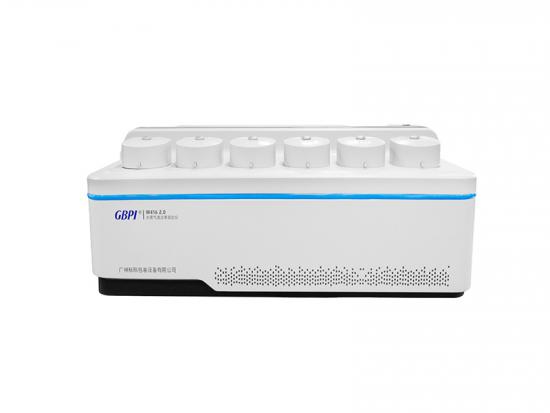
بالنسبة لـ GBPI، وهي شركة مصنعة للأدوات تركز على اختبارات الحاجز، واختبار الخصائص الفيزيائية، والتحليل الحراري/التحلل، فإن هذا التحول التنظيمي ليس مجرد عبء امتثال يقع على عاتق العملاء — بل هو فرصة تجارية كبيرة. كل بند من بنود PPWR يشدد مواصفات المواد يخلق مشكلة قياس مقابلة، ومشاكل القياس هي ما صُممت خطوط إنتاج GBPI لحلها.
تفويضات التعبئة والتغليف القابلة للتحلل واختبار التحلل البيولوجي
تتطلب المادة 9 أن تكون تنسيقات معينة من التعبئة والتغليف — أكياس الشاي، ملصقات المنتجات اللاصقة، الأكياس البلاستيكية خفيفة الوزن جداً — قابلة للتحلل في ظروف التسميد الصناعي، بما يتوافق مع معيار EN 13432 (المتواءم مع ISO 14855).
للمطالبة بالمطابقة والحصول على شهادة طرف ثالث مثل "OK Compost" من TÜV Austria أو DIN CERTCO، يحتاج المصنعون إلى بيانات قابلة للقياس حول معدل التفكك، ونسبة التحلل البيولوجي، والسمية البيئية للسماد الناتج.
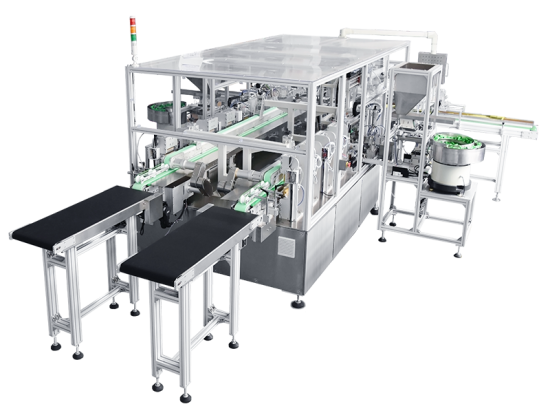
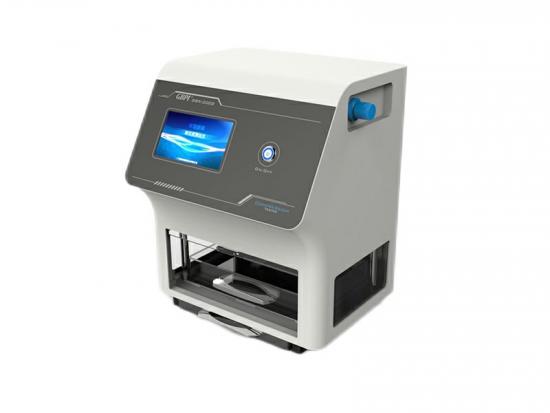
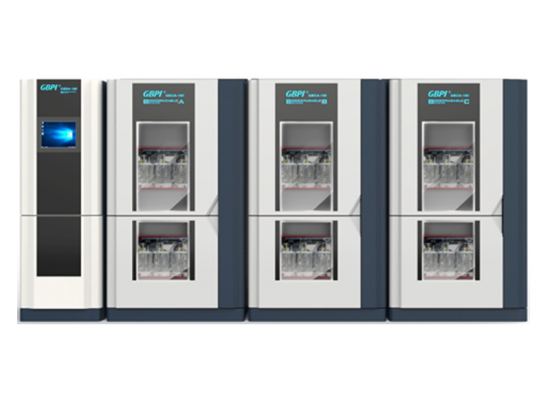
هنا يأتي دور خطاختبار القابلية للتحلل البيولوجيمن GBPI، وتحديداً جهاز GBDA-180 Intelligent Compost Degradation Tester، ليصبح ذا صلة مباشرة. تحاكي الأداة ظروف التسميد الصناعي الخاضعة للرقابة وتتتبع انبعاثات CO₂ وفقدان الكتلة بمرور الوقت — وهي بالضبط مجموعة البيانات التي تتطلبها شهادة EN 13432 / ISO 14855. مع توسع منتجي مواد PLA وPBAT وPHA ومزيج النشا لتلبية تفويضات الاتحاد الأوروبي بشأن القابلية للتحلل، تصبح هذه الأداة أداة روتينية للإفراج عن الدفعات، وليست عملية شراء لمرة واحدة.
نقاء المواد والتحليل الحراري
لتسهيل إعادة تدوير التعبئة والتغليف، تدفع PPWR بقوة نحو تصميم المادة الواحدة وتقيد مجموعات الإضافات التي تعقد عملية الفرز.
من الناحية العملية، يحتاج المحولون إلى التحقق من هوية البوليمر، واكتشاف التلوث المتبادل بين أنواع الراتنج، وتحديد مقدار المحتوى المعاد تدويره أو الحشو الموجود في الدفعة. هذا هو مجال التحليل الحراري بامتياز.
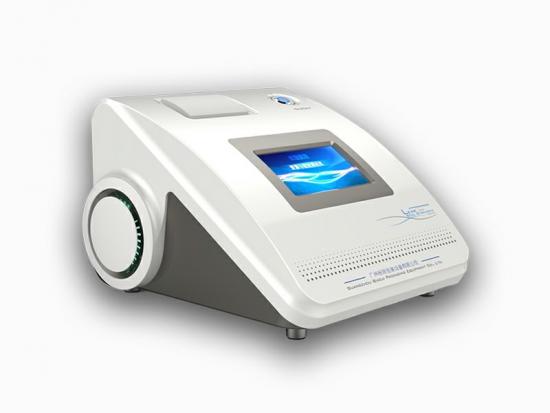
مسعر المسح التفاضلي (DSC)يقيس سلوك الانصهار والتبلور، ويميز أنواع البوليمر ويقدر التبلور — وهو مفيد لتأكيد نقاء المادة الواحدة واكتشاف مخالفات خلط PCR. يكمل التحليل الحراري الوزني (TGA)، وهو جزء من فئة معدات الاختبار الحراري الأوسع لـ GBPI، هذا من خلال قياس درجة حرارة التحلل وقياس كمية الحشو أو أسود الكربون أو المحتوى العضوي من خلال تحديد ملف فقدان الكتلة الخاضع للرقابة.
مع تزايد ضغوط التوثيق، يتحول التحليل الحراري من أداة بحث وتطوير متخصصة إلى أصل روتيني للامتثال وضمان الجودة.
المحتوى المعاد تدويره الإلزامي والمقايضة بالحاجز
تحدد المادة 6 حداً أدنى متصاعداً للمحتوى المعاد تدويره لتعبئة البلاستيك، يتم تطبيقه تدريجياً من عام 2030 فصاعداً. إن دمج راتنج PCR ليس بديلاً مباشراً.
عادة ما يؤدي المحتوى المعاد تدويره إلى إدخال تلوث دقيق، وثقوب، وتحلل في السلسلة الجزيئية مما يقلل بشكل ملموس من أداء الحاجز والقوة الميكانيكية مقارنة بالراتنج البكر — وهو بالضبط المكان الذي تلعب فيه عائلات اختبار الحاجز الأساسية لـ GBPI دورها.
| # | متطلبات لائحة التعبئة والتغليف ونفايات التعبئة والتغليف (PPWR) | تحدي المحول | جهاز GBPI |
|---|---|---|---|
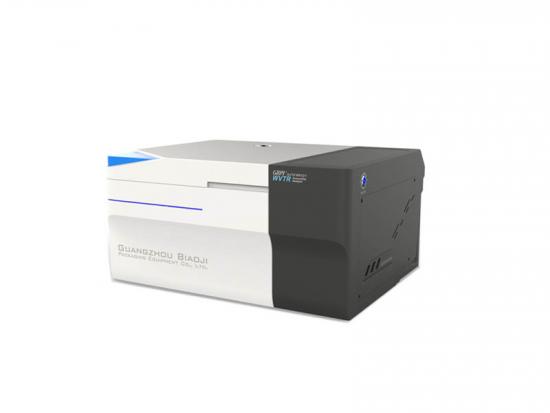
| 1 | تفويضات محتوى المواد المعاد تدويرها بعد الاستهلاك (PCR) (المادة 6) | تدهور حاجز بخار الماء بعد خلط مواد PCR | محلل نفاذية بخار الماء / W203 2.0 |
| 2 | تفويضات محتوى المواد المعاد تدويرها بعد الاستهلاك (PCR) (المادة 6) | دخول الأكسجين بعد إضافة الراتنج المعاد تدويره | محلل نفاذية الأكسجين / Y310 2.0 |
| 3 | التغليف بالجو المعدل (MAP) / التنسيقات الحساسة لمدة الصلاحية | التحقق من نفاذية ثاني أكسيد الكربون / النيتروجين | محلل نفاذية الغاز / N500L |
| 4 | سلامة الختم والسلامة الميكانيكية مع خلائط PCR | قوة الختم، والانزلاق، وتغيرات التعامل مع الفيلم | جهاز اختبار الشد، جهاز الختم الحراري المعملي، جهاز اختبار معامل الاحتكاك |
تقليل الوزن والسلامة الهيكلية
تقيد المادة 9 أيضاً حجم ووزن التعبئة والتغليف غير الضروري، مما يدفع المحولات نحو تقليل سماكة الفيلم بشكل كبير - أي تقليل الوزن.
الأفلام الأرق تكون بطبيعتها أكثر عرضة للثقوب الدقيقة، والتمزق، وفشل الصدمات، وأي خلل في الحاجز يهدد بشكل مباشر مدة الصلاحية. تعالج محفظة الاختبارات الفيزيائية لشركة GBPI هذه المقايضة مباشرة: جهاز اختبار الصدمات بالسقوط الحر (بما في ذلك GBD-L2) يحدد كمية الطاقة التي يمتصها الفيلم الرقيق قبل الفشل، بينما يقوم جهاز اختبار التمزق (مثل جهاز GBD-S Elmendorf) بتقييم مقاومة انتشار التمزق.
بالاقتران مع جهاز اختبار التسرب ومحللات الحاجز المذكورة أعلاه، يمكن للمحولات التحقق مما إذا كان الهيكل خفيف الوزن لا يزال يوفر حماية فيزيائية كافية ويحافظ على مدة الصلاحية - مما يحول سؤال "إلى أي مدى يمكننا تقليل السماكة" من تخمين إلى قرار قائم على البيانات.
بع حل الامتثال، وليس مجرد الجهاز
المصدرون الذين يواجهون الوصول إلى سوق الاتحاد الأوروبي لا يتسوقون لشراء أجهزة معزولة - بل يقومون بتجميع ملف امتثال يمكن الدفاع عنه، وغالباً ما يحتاجون إلى إصدار إعلان المطابقة.
يعد قسم الحلول الحالي في GBPI، بما في ذلك صفحته المخصصة للمواد القابلة لإعادة التدوير والتحلل الحيوي، مكاناً طبيعياً لهذا النوع من التسويق المجمع القائم على حالات الاستخدام.
ثلاث فئات من العملاء تستحق اهتماماً خاصاً:
منتجو الراتنجات الحيوية
يحتاج مصنعو مركبات PLA / PBAT / PHA إلى أجهزة اختبار التحلل وأجهزة DSC/TGA كأدوات متكررة للبحث والتطوير ومراقبة جودة الدفعات، وليس كمشتريات لمرة واحدة.
مصدروا التغليف المرن
يحتاج محولو الأغذية ومنتجات العناية الشخصية إلى أجهزة اختبار الحاجز والختم الحراري لإثبات أن أفلام PCR / خفيفة الوزن لا تزال تحافظ على مدة الصلاحية.
المختبرات والجامعات
تعمل جهات التصديق الخارجية والمختبرات الأكاديمية على توسيع قدراتها لاختبارات القابلية للتحلل ومواد PCR - وهي قناة معدات متينة.
خاتمة
تحول لائحة PPWR ما كان في السابق مسألة التخلص من النفايات في مراحل الاستهلاك اللاحقة إلى قيد على التصميم والتركيب في مرحلة الإنتاج الأولية — وكل قيد تفرضه له نظير قابل للقياس والاختبار. وتغطي محفظة أجهزة GBPI الحالية، والتي تشمل اختبارات الحاجز والنفاذية، واختبارات الخصائص الفيزيائية، والتحليل الحراري، واختبارات القابلية للتحلل البيولوجي، بالفعل البصمة الفنية الكاملة تقريبًا التي تتطلبها اللائحة التنظيمية.
إن المهمة القادمة تتعلق بصورة أقل بتطوير منتجات جديدة وبصورة أكبر بإعادة تقديم الإمكانيات الحالية ضمن إطار امتثال متماسك — إطار يتناول مباشرة المواعيد النهائية والشهادات والوثائق الفنية التي سيتوجب على مصنعي التغليف الموجه للاتحاد الأوروبي تقديمها بشكل متزايد.